#58%
of small businesses said they used generative AI in 2025.
That is up from 40% in 2024 and 23% in 2023, according to the U.S. Chamber of Commerce.
Updated July 7, 2026
A sourced fact sheet for founders, writers, and researchers tracking how AI is being adopted by small businesses, teams, and service providers.
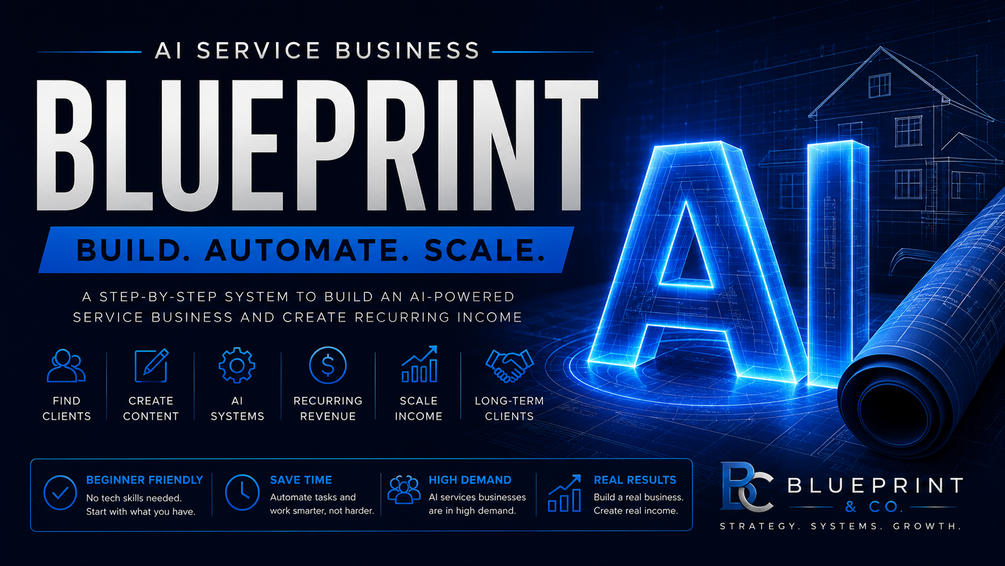
These statistics are grouped around the parts that matter for an AI-assisted service business: adoption, small-business demand, workforce change, implementation gaps, and the need for human reviewed workflows.
That is up from 40% in 2024 and 23% in 2023, according to the U.S. Chamber of Commerce.
The U.S. Chamber included AI among the emerging technologies small business owners expected to adopt.
The same report found AI use was often paired with hiring, not only cost cutting.
That finding points to AI becoming part of normal operating capacity for many small firms.
The U.S. Census Bureau measured AI use across business functions in its Business Trends and Outlook Survey.
Source: U.S. Census Bureau, May 2026
Expected use was slightly higher than current use across the Census Bureau's six-month review period.
Source: U.S. Census Bureau, May 2026
In the period ending May 3, 2026, 32% of firms with 100 to 249 employees also reported AI use.
Source: U.S. Census Bureau, May 2026
Finance and Insurance followed at 33.9%, while Retail Trade was around 14%.
Source: U.S. Census Bureau, May 2026
McKinsey's 2025 global survey found regular AI use rose from 78% a year earlier.
McKinsey reported that only about one-third had begun scaling AI programs across their organizations.
Most of those respondents said less than 5% of EBIT was attributable to AI use.
McKinsey said nearly one-third of respondents reported consequences tied to AI inaccuracy.
Gallup's survey of 23,717 U.S. employees found AI use had more than doubled since Q2 2023.
Source: Gallup, April 2026
Gallup also found 13% used AI daily.
Source: Gallup, April 2026
Microsoft's 2025 Work Trend Index covered leader plans for the next 12 to 18 months.
Microsoft said these managers were looking at AI trainers to guide employee adoption in the next 12 to 18 months.
Anthropic classified augmentation as people learning, iterating, or getting feedback with AI rather than handing off everything.
Anthropic reported that automated use remained elevated, even after augmentation became more common again.
Anthropic said the category rose by 3 percentage points and suggested businesses were automating routine back-office workflows.
Suggested citation: The AI Service Business Blueprint, "AI Service Business Statistics," updated July 7, 2026.
Page URL: https://aiservicebizbluprnt.com/ai-service-business-statistics
Build The Offer